In today’s competitive business environment, accurate workforce management has become a critical factor in organizational success. Companies across every industry are discovering that traditional methods of tracking employee attendance—manual registers, paper timesheets, and basic punch clocks—simply cannot deliver the accuracy, efficiency, and insights that modern operations demand. These outdated approaches are not only time-consuming to administer but also leave organizations vulnerable to time theft, buddy punching, and payroll errors that can significantly impact the bottom line.
The evolution toward biometric attendance solutions represents a fundamental shift in how organizations approach workforce management. By tying attendance records to unique biological characteristics, biometric systems eliminate the ambiguity and fraud potential inherent in traditional methods. The result is a reliable, verifiable record of employee attendance that forms a solid foundation for payroll processing, labor law compliance, and productivity analysis. Organizations that have made the transition consistently report improved accuracy, reduced administrative overhead, and greater visibility into workforce patterns.
Hamster Plus
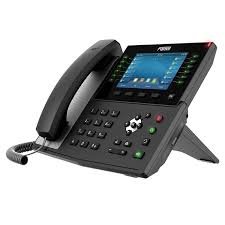
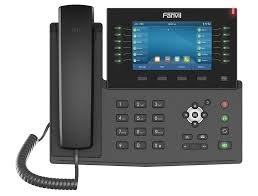
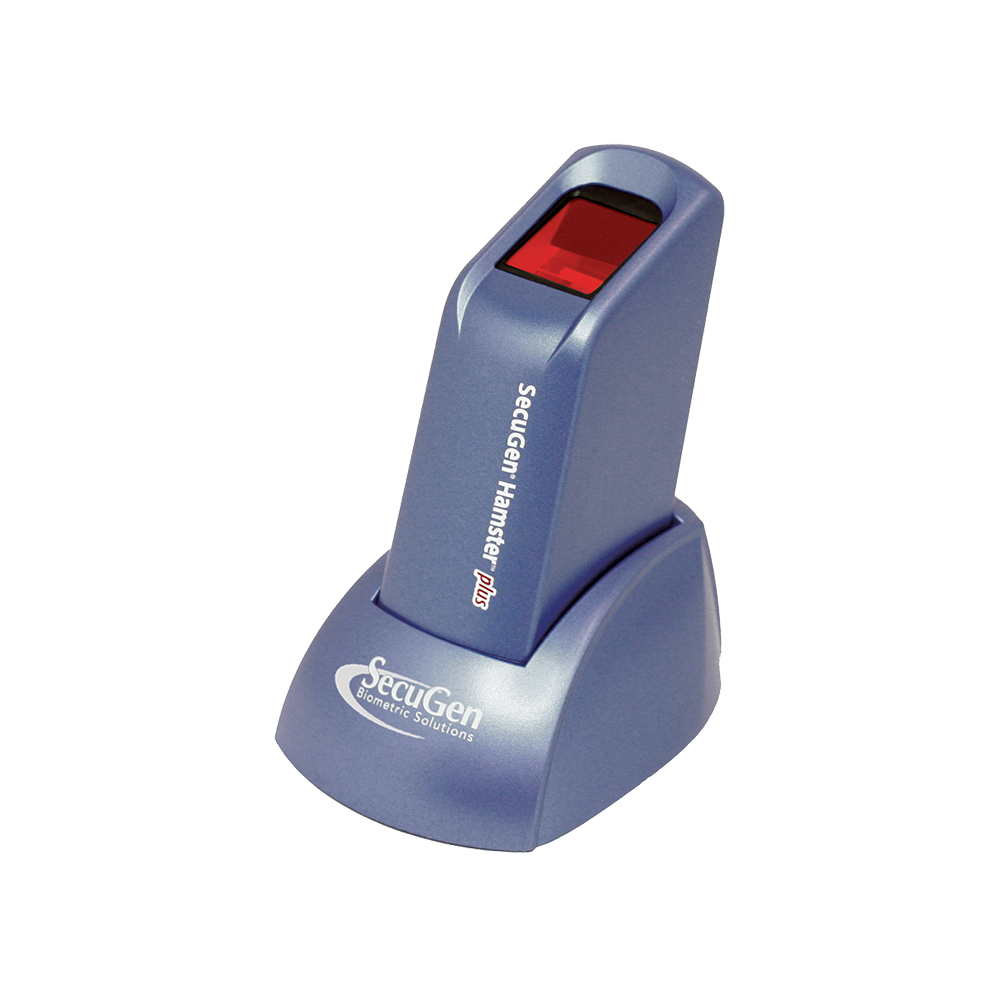
The Hamster Plus represents a breakthrough in time attendance and access control technology, combining sophisticated functionality with user-friendly operation. This advanced device has earned its reputation as a preferred solution for organizations across Pakistan seeking reliable, accurate, and efficient workforce management. The Hamster Plus is designed to address the fundamental challenge that every organization faces: accurately tracking employee attendance while preventing time theft, buddy punching, and other forms of attendance fraud that can significantly impact productivity and payroll accuracy.
At the heart of the Hamster Plus is its advanced biometric fingerprint recognition technology, which ensures that each attendance record is uniquely tied to an individual employee. Unlike traditional time clocks that rely on PIN codes or swipe cards—credentials that can be shared, lost, or stolen—the Hamster Plus verifies identity through biological characteristics that cannot be replicated or transferred. This level of authentication provides organizations with absolute confidence in the accuracy of their attendance data, forming a reliable foundation for payroll processing, labor law compliance, and productivity analysis.
The device features a high-speed processor that delivers recognition times of less than one second, ensuring that employees can clock in and out efficiently without forming queues during peak times. The large-capacity memory can store thousands of fingerprint templates and hundreds of thousands of transaction records, making it suitable for organizations of all sizes, from small businesses to large enterprises with hundreds of employees. The Hamster Plus also supports multiple verification modes, allowing organizations to configure the device to require fingerprint only, PIN only, or combined verification based on their specific security requirements.
Communication capabilities are a standout feature of the Hamster Plus. The device supports TCP/IP networking, enabling seamless integration with existing network infrastructure and allowing attendance data to be transmitted to central servers in real time. USB connectivity provides an alternative data transfer option for organizations without network connectivity at attendance points. The device also features a built-in backup battery that ensures continued operation during power outages, maintaining security and attendance tracking even when main power is interrupted.
Finger Print Scanner
The finger print scanner has emerged as the cornerstone of modern biometric security systems, offering a combination of accuracy, speed, and reliability that other identification methods struggle to match. The technology behind fingerprint recognition has advanced significantly in recent years, with modern scanners capable of capturing detailed ridge and valley patterns with exceptional clarity, even when fingers are dry, moist, or have minor surface imperfections. This technological sophistication translates into practical reliability that organizations can depend on for mission-critical security applications.
Fingerprint scanners operate on the principle that every individual possesses a unique pattern of ridges and valleys on their fingertips—a pattern that remains consistent throughout a person’s lifetime. Modern scanners use optical or capacitive sensing technologies to capture these patterns with high resolution, converting the physical characteristics into digital templates that can be stored and compared with remarkable speed and accuracy. The false acceptance rate and false rejection rate of quality fingerprint scanners have reached levels that make them suitable for even the most demanding security environments.
The applications for fingerprint scanners extend far beyond time attendance. Access control systems rely on fingerprint verification to secure sensitive areas such as data centers, research laboratories, executive offices, and storage rooms containing valuable assets. In these applications, the fingerprint scanner serves as the gatekeeper, ensuring that only authorized individuals can enter restricted spaces. The integration of fingerprint scanners with electronic locking mechanisms creates a security infrastructure that provides complete accountability—every access event is logged, creating an audit trail that can be reviewed for security monitoring or incident investigation.
Finger Print Reader
The finger print reader serves as the critical interface between human users and biometric security systems, and the quality of this component directly determines the effectiveness of the overall security solution. Modern fingerprint readers incorporate advanced sensor technology, sophisticated algorithms, and ergonomic design to deliver a user experience that is both secure and convenient. The best readers achieve this balance by capturing high-quality fingerprint images consistently while providing clear feedback that guides users through the verification process.
The evolution of fingerprint reader technology has produced devices that are increasingly versatile and adaptable to diverse deployment environments. Surface-mounted readers are available for wall installation at entry points, while compact readers can be integrated into desktop devices for applications such as computer login security. Weather-resistant models extend biometric security to outdoor applications, maintaining reliable operation in challenging environmental conditions. This diversity of form factors ensures that organizations can implement fingerprint security wherever it is needed, regardless of the physical constraints of the deployment location.
For organizations seeking comprehensive security and workforce management solutions, The NextGen Technologies stands as the premier provider of advanced biometric systems. Operating through thenextgentechnologies.com, the company has established itself as a top-tier partner for businesses across Pakistan, delivering the Hamster Plus time attendance system alongside a complete range of fingerprint scanners and readers tailored to diverse application requirements. Their expertise encompasses system design, professional installation, configuration, training, and ongoing support, ensuring that clients receive not just equipment but complete solutions that address their specific security and workforce management challenges. Visit thenextgentechnologies.com to discover how advanced biometric technology can transform your organization’s security posture and operational efficiency.
Frequently Asked Questions
1. What is the difference between a fingerprint scanner and a fingerprint reader?
The terms are often used interchangeably, but technically, a fingerprint scanner refers to the device that captures the fingerprint image, while a fingerprint reader encompasses the complete system including the capture device and the processing capabilities that verify identity against stored templates. In practical applications, both terms refer to the hardware used for biometric identification.
2. Can the Hamster Plus work during power outages?
Yes, the Hamster Plus features a built-in backup battery that ensures continued operation during power interruptions. This feature is essential for maintaining accurate attendance tracking and security access even when main power is unavailable, ensuring that organizations never experience gaps in their attendance data or security coverage.
3. How accurate is fingerprint recognition technology?
Modern fingerprint recognition systems from quality manufacturers achieve accuracy rates exceeding 99%. The false acceptance rate (unauthorized access granted) and false rejection rate (authorized user denied) are exceptionally low when devices are properly installed, configured, and maintained. Accuracy is enhanced by using high-quality scanners and ensuring that initial fingerprint enrollment is performed correctly.
4. Can fingerprint scanners be fooled by artificial fingerprints?
Quality fingerprint scanners incorporate anti-spoofing technologies that can detect the difference between live fingers and artificial reproductions. These systems analyze characteristics such as skin texture, temperature, and electrical conductivity to ensure that the fingerprint being presented belongs to a living person, providing security against spoofing attempts.
5. What happens if an employee’s fingerprint cannot be read due to skin conditions?
Modern fingerprint readers offer multiple verification options to accommodate situations where fingerprint reading may be temporarily difficult. The Hamster Plus and similar systems support alternative verification methods such as PIN codes or passwords, ensuring that all employees can access the system while maintaining security. Organizations may also enroll multiple fingers per employee to provide backup options.